.png)
Maintenance After Ceramic Application


Ceramic protection products have become an essential part of modern automotive detailing because they provide hydrophobic behavior, enhanced gloss, and resistance to environmental contamination.
However, another very common question among detailers and vehicle owners is:
What maintenance is required after ceramic protection is applied?
While ceramic sealants and coatings provide strong protection, they still require proper care to maintain their performance over time.
Environmental contamination, improper washing techniques, and harsh chemicals can all affect how well ceramic protection performs.
This guide explains how to properly maintain ceramic protection systems and how maintenance routines help preserve hydrophobic performance and protection durability.
If you are building a complete protection workflow, begin with our Ceramic & Protection Guides, which explain the full professional detailing process from surface preparation to long-term maintenance.
Quick Answer: How Do You Maintain Ceramic Protection?
Proper ceramic maintenance focuses on regular washing and contamination control.
The most important practices include:
• Washing the vehicle every 1–2 weeks
• Using pH-balanced automotive shampoos
• Avoiding harsh degreasers and aggressive chemicals
• Removing contamination promptly
• Applying maintenance boosters when necessary
When properly maintained, ceramic protection can retain its hydrophobic behavior and gloss for its full expected lifespan.
Why Maintenance Is Necessary After Ceramic Application
Ceramic sealants and coatings create a protective layer bonded to the vehicle’s clear coat.
This layer provides several benefits:
• water repellency
• contamination resistance
• enhanced surface slickness
• improved paint gloss
However, ceramic protection does not prevent contamination from landing on the vehicle.
Instead, it makes contaminants easier to remove during washing.
If contamination is allowed to accumulate for extended periods, it can interfere with hydrophobic behavior and reduce the appearance of protection.
Regular maintenance washing prevents this buildup.
The First 24–48 Hours After Ceramic Application
After ceramic products are applied, they require time to cure.
Typical curing guidelines include:
Ceramic Sealants
Most SiO₂ sealants require 12–24 hours before exposure to water.
Professional Ceramic Coatings
Coatings typically require 24–48 hours before washing or heavy moisture exposure.
During the curing period it is best to avoid:
• washing the vehicle
• chemical cleaners
• rain exposure when possible
• heavy contamination
Allowing the ceramic layer to cure properly helps ensure strong bonding to the paint surface.
Recommended Maintenance Washing Schedule
Routine washing is the most important factor in preserving ceramic protection.
Most detailers recommend washing ceramic-protected vehicles every one to two weeks.
Regular washing helps remove:
• dust and pollen
• road film
• bird droppings
• environmental fallout
• traffic contamination
Vehicles exposed to harsher environments — such as winter road salt or coastal air — may require more frequent washing.
Using the Correct Car Wash Products
Not all car wash products are safe for ceramic protection.
Professional detailers typically recommend pH-balanced automotive shampoos for routine maintenance.
These products remove contamination without degrading the protection layer.
Products that should generally be avoided include:
• high-alkaline degreasers
• acidic cleaners used improperly
• household detergents
• strong wheel cleaners contacting paint
These chemicals can gradually weaken protection layers and reduce durability.
For proper washing techniques, see our guide on How to Wash a Car Professionally.
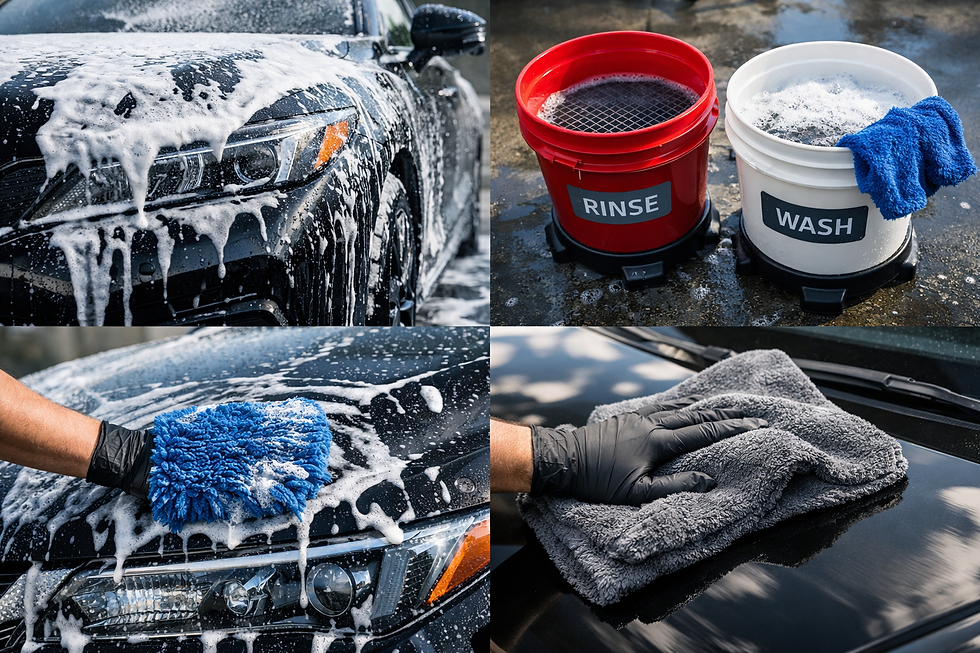
Why Washing Technique Matters
Even when using proper shampoos, poor washing techniques can introduce scratches or contamination.
Professional maintenance washing typically follows this process:
Pre-Rinse
Remove loose debris before contact washing.
Foam Pre-Wash
Foam loosens contamination and reduces friction during washing.
Two-Bucket Wash Method
Separate wash and rinse buckets reduce contamination transfer.
Microfiber Wash Mitts
Soft microfiber minimizes scratching.
Proper Drying
Drying with microfiber towels or air blowers helps prevent water spots.
These techniques help maintain both paint condition and ceramic protection performance.
Avoiding Automatic Car Wash Damage
Many automatic car washes use aggressive brushes and strong chemical detergents.
These systems can:
• introduce micro-scratches
• degrade ceramic protection
• leave chemical residue on paint
For vehicles protected with ceramic sealants or coatings, hand washing is typically the safest maintenance method.
Using Ceramic Maintenance Boosters
Over time, the hydrophobic effect of ceramic protection may appear weaker.
In many cases this occurs because contamination has accumulated on the surface rather than because the protection layer has failed.
Maintenance boosters containing SiO₂ or polymer additives can help refresh the surface.
These products help:
• restore slickness
• improve water beading
• reinforce protection layers
Maintenance boosters are often applied every 1–3 months depending on driving conditions.
Managing Water Spots on Ceramic-Protected Vehicles
Water spots are one of the most common issues affecting ceramic-protected surfaces.
When water evaporates, minerals can remain behind and bond to the surface.
These mineral deposits can reduce gloss and hydrophobic behavior.
To minimize water spotting:
• dry the vehicle after washing
• avoid letting water air dry on paint
• remove mineral deposits quickly
For more severe contamination, specialized water spot removers may be required.
When Ceramic Protection Needs Refreshing
Even with proper maintenance, protection layers gradually degrade.
Common signs include:
• weaker water beading
• reduced slickness
• increased contamination sticking to paint
• reduced gloss after washing
Most ceramic sealants last approximately 3–6 months, depending on environmental exposure and maintenance practices.
Professional ceramic coatings can last multiple years when properly maintained.
Best Practices for Long-Term Ceramic Protection
Professional detailers recommend several practices to maximize ceramic durability:
• Proper paint preparation before application
• Routine maintenance washing
• Using pH-neutral shampoos
• Avoiding aggressive chemicals
• Periodic protection refresh treatments
Preparation is particularly important.
If the surface was not properly decontaminated before protection was applied, durability may be significantly reduced.
For more information, see our guide on Paint Prep Before Protection.
Frequently Asked Questions
How often should you wash a ceramic-coated car?
Most ceramic-protected vehicles should be washed every 1–2 weeks to remove contamination and maintain hydrophobic performance.
Does washing remove ceramic protection?
Normal washing does not remove ceramic protection. However, strong degreasers and harsh detergents can weaken protection layers over time.
Do ceramic coatings eliminate the need for washing?
No. Ceramic protection makes contamination easier to remove, but vehicles still require routine washing.
Can ceramic sealant be reapplied?
Yes. Ceramic sealants are designed to be reapplied periodically to maintain protection performance.
Final Thoughts: Ceramic Protection Requires Proper Maintenance
Ceramic sealants and coatings provide excellent paint protection, but their performance depends heavily on proper maintenance.
Routine washing, proper cleaning products, and contamination control help preserve the hydrophobic and protective properties of ceramic protection systems.
When maintained properly, ceramic protection can continue delivering gloss, contamination resistance, and paint protection long after the initial application.
Products like Wings Formula Pro Ceramic Light are designed to provide durable protection while remaining easy to maintain and reapply.
Continue Learning
If you’re building a complete ceramic protection workflow, explore these guides:
• Paint Prep Before Protection
• How to Apply SiO₂ Sealant Properly
• Ceramic Sealant vs Wax vs Coating
• Professional Paint Decontamination Process
• Exterior Detailing Mistakes That Damage Paint
These articles are part of the Ceramic & Protection Guides by Wings Formula Pro, a complete resource for modern automotive detailing workflows.

WINGS FORMULA PRO
Wings Formula Pro is the professional detailing system developed inside Wings Mobile Detailing operations. Built by real-world detailers, our surface-safe chemistry is engineered for modern automotive materials and repeatable results. Learn how structured workflows, controlled pH formulas, and technician-level standards protect vehicles the right way.


Comments