.png)

Ceramic & Protection Guides for Professional Detailers
HOW-TO GUIDES
Ceramic protection is a controlled chemical process designed to increase surface durability, improve hydrophobic performance, and extend paint protection cycles.
Whether you’re running a mobile detailing operation, managing a shop, or refining your personal workflow, understanding how SiO2 protection systems actually work is critical.
This page serves as the central ceramic coating guide for professional detailers. Each section below links to in-depth resources covering chemistry, application technique, durability expectations, and maintenance systems used in real-world operations.
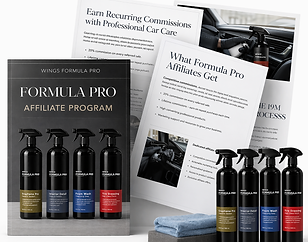
The Affiliate Program for Professional Mobile Detailers
If you’re serious about building a repeatable paint protection process, start here.
Get instant access to all information about Wings Formula Pro Affiliate program, available only for professional detailers.
IN THIS POST:
2. Ceramic Sealant vs Ceramic Coating
2.1. GUIDE: How to Apply SiO2 Sealant Properly
2.2. GUIDE: Paint Prep Before Protection
2.3. GUIDE: How Long Does Ceramic Coating Sealant Last?
2.4. GUIDE: Maintenance After Ceramic Application
2.4. GUIDE: Hydrophobic Coating Explained
5. GUIDE: Common Ceramic Coating Mistakes

Every detailing team needs a reliable partner. We’re here to support your workflow with professional-grade formulas that perform.
/ What is Ceramic Coating?
Ceramic coating is a silica-based (SiO₂) protection system engineered to chemically bond to automotive clear coat through controlled crosslinking during curing. Unlike waxes or temporary polymer sealants that sit on the surface, ceramic coatings create a semi-permanent protective layer that enhances chemical resistance, surface slickness, and hydrophobic behavior.
Professional ceramic application is not a cosmetic add-on. It is a structured paint protection process that depends on surface preparation, bonding integrity, and environmental control to perform correctly.
This guide explains:
• The chemical structure of SiO₂ ceramic coatings and how crosslinking occurs
• The difference between temporary sealants and true ceramic bonding
• How coating thickness and solids content impact durability
• Why surface preparation determines long-term performance
• The measurable factors that affect ceramic coating lifespan
Read the full guide: What Is Ceramic Coating?
/ Ceramic Sealant vs Ceramic Coating
Ceramic sealants and ceramic coatings are both silica-based protection systems, but they differ significantly in bonding mechanism, solids concentration, durability, and surface integration. Understanding these differences is critical for choosing the appropriate protection system for specific paint conditions and service goals.
This guide explains:
• The structural difference between sprayable SiO₂ sealants and crosslinking ceramic coatings
• How durability varies between 3–9 month sealants and multi-year coatings
• The role of carrier solvents and curing behavior
• When to choose sealant over coating in professional workflows
• Performance trade-offs between ease of use and long-term resistance
Read the full guide: Ceramic Sealant vs Ceramic Coating

GUIDE: HOW TO APPLY SiO2 SEALANT PROPERLY
SiO₂ sealants require controlled application to achieve uniform coverage, optimal curing, and maximum hydrophobic performance. Improper leveling, over-application, or incorrect surface preparation can reduce durability and create streaking or bonding inconsistencies.
This guide explains:
• Proper wash and decontamination before sealant application
• Environmental factors that affect curing and flash time
• Correct panel-by-panel application technique
• How to level and buff without compromising protection
• Common application errors that reduce sealant longevity
Read the full guide: How to Apply SiO₂ Sealant Properly
GUIDE: PAINT PREP BEFORE PROTECTION
Surface preparation determines whether protection systems bond effectively or fail prematurely. Modern automotive clear coat contains microscopic contamination and surface irregularities that must be corrected before applying sealants or coatings.
This guide explains:
• Why decontamination is mandatory before ceramic protection
• The role of iron removal and mechanical clay processes
• When paint correction is required before coating
• How polishing oils interfere with ceramic bonding
• The measurable impact of improper prep on durability
Read the full guide: Paint Prep Before Protection
GUIDE: HOW LONG DOES CERAMIC COATING SEALANT LAST?
Ceramic sealant durability depends on chemistry, environmental exposure, wash habits, and surface preparation quality. Marketing claims often exaggerate performance without addressing real-world degradation variables.
This guide explains:
• The difference between lab durability and field durability
• How UV exposure and detergents degrade SiO₂ protection
• Why pH-balanced maintenance affects lifespan
• Realistic durability ranges for professional-grade sealants
• How to identify when protection has failed
Read the full guide: How Long Does Ceramic Sealant Last?
GUIDE: MAINTENANCE AFTER CERAMIC APPLICATION
Ceramic protection reduces contamination bonding but does not eliminate the need for proper maintenance. Incorrect washing techniques can diminish hydrophobic performance and gradually compromise coating integrity.
This guide explains:
• Proper wash intervals after ceramic installation
• Safe detergent chemistry for coated vehicles
• Why aggressive degreasers shorten coating lifespan
• How to maintain hydrophobic behavior over time
• When to apply ceramic boosters or toppers
Read the full guide: Maintenance After Ceramic Application
GUIDE: HYDROPHOBIC COATING EXPLAINED
Hydrophobic behavior is a measurable surface characteristic influenced by contact angle, surface energy, and chemical composition. Not all water-beading products provide equal protection or durability.
This guide explains:
• The science behind surface tension and water contact angles
• The difference between beading and sheeting performance
• How hydrophobicity correlates with contamination resistance
• Why slickness is not the same as protection
• The limits of hydrophobic performance without proper prep
Read the full guide: Hydrophobic Coating Explained
/ Common Ceramic Coating Mistakes
Ceramic coating performance depends heavily on surface preparation, environmental control, application technique, and post-install maintenance. Most coating failures are not caused by defective chemistry, but by procedural errors that compromise bonding, curing, or long-term durability.
This guide explains:
• Why inadequate paint decontamination leads to premature coating failure
• How residual polishing oils interfere with silica bonding
• The risks of high humidity and improper flash-time control
• What happens when coatings are over-applied or unevenly leveled
• How improper aftercare reduces hydrophobic performance
• The difference between high spots and true coating failure
• Why skipping paint correction affects final gloss and longevity
Read the full guide: Common Ceramic Coating Mistakes
/ Frequently Asked Questions About Ceramic Coating

Is ceramic coating permanent?
No, ceramic coating is not permanent.
A ceramic coating creates a long-lasting protective layer over the vehicle’s clear coat, but it will not last forever. Most ceramic coatings use SiO₂ or similar ingredients to bond to the paint and create a harder, more resistant surface.
The coating helps protect the paint from UV exposure, dirt, road film, water spots, and chemical contamination. However, it slowly wears down over time from washing, weather, sunlight, friction, and everyday driving conditions.
Professional ceramic coatings can last for years when the paint is prepared correctly and the vehicle is maintained properly. Spray ceramic sealants usually last for a shorter period and are often used as maintenance protection or an easier alternative to a full coating.
The best way to think about ceramic coating is this: it is a long-term protective layer, but not a permanent shield. It protects the clear coat by taking on some of the wear that would otherwise affect the paint directly.
Do you still have to wash a car after ceramic coating?
Yes. A ceramic coating makes washing easier, but it does not eliminate the need for regular maintenance.
Ceramic coatings create a hydrophobic surface, which means water, dirt, and road film have a harder time sticking to the paint. This helps the vehicle stay cleaner longer and makes it easier to wash.
However, dust, pollen, brake dust, mineral deposits, bird droppings, bugs, and road grime can still build up on the surface. If they are not removed, they can reduce gloss, weaken water-beading performance, and make the coating feel less slick over time.
To keep ceramic protection performing well, the vehicle still needs regular maintenance washing with safe products and proper techniques. A well-maintained ceramic coating will usually look glossier, feel smoother, and last longer.
Does ceramic coating prevent scratches and swirl marks?
Ceramic coating can help reduce minor surface wear, but it does not make a car scratch-proof.
A ceramic coating creates a harder protective layer over the paint, which can add some resistance to very light micro-marring. However, it will not prevent scratches from improper washing, dirty towels, automatic brush car washes, abrasive contact, or physical impact.
Swirl marks can still happen if the vehicle is washed or dried incorrectly. That is why proper maintenance is still important after ceramic coating.
The main benefits of ceramic coating are easier cleaning, stronger water-beading, UV resistance, chemical resistance, added gloss, and better long-term paint protection. It should not be marketed as a scratch-proof or damage-proof solution.
Do you need paint correction before ceramic coating?
In most professional ceramic coating applications, yes, paint correction is recommended before applying the coating.
Ceramic coating does not hide scratches, oxidation, swirl marks, or paint defects. Instead, it locks in the current condition of the paint. If the coating is applied over dull, scratched, or contaminated paint, those imperfections may remain visible underneath the protection.
Before applying ceramic coating, professional detailers usually wash the vehicle, remove bonded contamination, inspect the paint, and polish or correct the surface if needed. This helps improve gloss, clarity, and bonding.
Paint correction is especially important if the goal is a high-gloss professional finish. The better the surface preparation, the better the ceramic coating will look and perform.

/ Explore Ceramic Coating Products
These guides reference ceramic protection products from the Wings Formula Pro system, developed by professional detailers for consistent, real-world paint protection workflows.