.png)

Exterior Cleaning Guides for Professional Detailers
HOW-TO GUIDES
Exterior detailing is a controlled, methodical process designed to remove surface and bonded contamination, protect the integrity of the clear coat, and prepare paint systems for durable, long-term protection.
A proper exterior detail accounts for friction control, chemical behavior, tool selection, and environmental factors. Every stage — from pre-wash to drying — affects the condition of the finish over time. When done correctly, exterior detailing preserves gloss, reduces micro-marring, and supports the performance of sealants or ceramic protection applied afterward.
This page serves as a central resource for professional exterior detailing techniques. Each section below links to in-depth guides that break down individual stages of the workflow used in real detailing operations — including mobile setups, high-volume teams, and environments with varying climate conditions.
If you’re building a repeatable exterior workflow that prioritizes surface safety and consistent results, this is where to begin.
Get instant access to all information about Wings Formula Pro Affiliate program, available only for professional detailers.
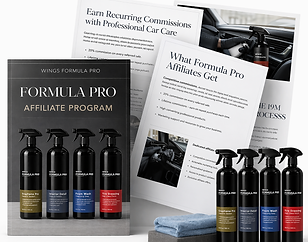
The Affiliate Program for Professional Mobile Detailers
IN THIS POST:
1. What is a Professional Exterior Car Detailing?
2. Exterior Detailing Workflow: Step-by-Step
2.1. GUIDE: Professional Pre-Wash & Foam Method
2.2. GUIDE: Chemical & Mechanical Decontamination
2.3. GUIDE: How to Clean Wheels and Tires Professionally
2.4. GUIDE: Safe Drying Techniques for Clean Coat Protection
2.5. GUIDE: Exterior Protection: Sealant & Ceramic Options
3. GUIDE: Common Exterior Detailing Mistakes

Every detailing team needs a reliable partner. We’re here to support your workflow with professional-grade formulas that perform.
/ What Is Professional Exterior Car Detailing?
Professional exterior detailing is a structured cleaning and protection process that removes organic contamination, brake dust, road film, and bonded debris while minimizing friction and long-term surface damage.
This guide explains:
• The difference between basic washing and professional exterior detailing
• How clear coat systems respond to improper washing
• Why modern paint requires controlled chemistry
• The long-term effects of repeated minor wash damage
• How exterior detailing supports protection longevity
Read the full guide: What Is Professional Exterior Detailing?
/ Exterior Detailing Workflow: Step-by-Step Process
A consistent wash process reduces rework and protects paint over time.
This guide covers:
• The correct order of exterior washing
• Pre-wash setup and preparation
• Contact wash technique
• Rinse strategy
• Drying preparation
• Workflow adjustments for mobile operations
Read the full guide: How to Wash a Car Professionally (Step-by-Step)

GUIDE: PROFESSIONAL PRE-WASH & FOAM METHOD
Pre-wash is the first friction-reduction stage in exterior detailing.
This guide explains:
• What road film actually is
• How foam loosens contamination
• Proper dwell time
• When to use citrus or alkaline pre-wash
• How skipping pre-wash increases micro-marring
• Foam cannon vs pump sprayer considerations
Read the full guide: Professional Pre-Wash & Foam Guide
GUIDE: CHEMICAL & MECHANICAL DECONTAMINATION
Washing does not remove bonded contamination.
This guide covers:
• How iron particles bond to paint
• When to use iron removers
• Tar removal techniques
• Clay bar vs synthetic clay
• Lubrication best practices
• How decontamination affects ceramic bonding
Read the full guide: Professional Paint Decontamination Process
GUIDE: HOW TO CLEAN WHEELS & TIRES PROFESSIONALLY
Wheel cleaning requires a separate system from paint.
This guide includes:
• Brake dust composition
• Safe wheel cleaner selection
• Proper agitation tools
• Tire cleaning before dressing
• Avoiding cross-contamination
• Safe drying of wheels
Read the full guide: Professional Wheel & Tire Cleaning Guide
GUIDE: SAFE DRYING TECHNIQUES FOR CLEAN COAT PROTECTION
Improper drying creates micro-marring even after a perfect wash.
This guide explains:
• Blot vs drag techniques
• Microfiber selection
• Towel rotation strategy
• Air drying methods
• Water spotting prevention
• Drying in hot climates
Read the full guide: Professional Car Drying Techniques
GUIDE: EXTERIOR PROTECTION: SEALANT & CERAMIC OPTIONS
Exterior cleaning prepares the surface. Protection preserves it.
This guide covers:
• Differences between wax, sealant, and ceramic
• When to use spray sealants
• Longevity expectations
• Layering considerations
• Surface prep before protection
• Maintenance planning
Read the full guide: Ceramic Sealant vs Wax vs Coating
/ Common Exterior Detailing Mistakes
Small workflow mistakes compound over time.
This guide identifies:
• Over-concentrated dilution ratios
• Letting chemicals dry on panels
• Using one towel for multiple zones
• Washing in direct sunlight
• Over-aggressive agitation
• Protection over contamination
Read the full guide: Exterior Detailing Mistakes That Damage Paint
/ Frequently Asked Questions About Exterior Detailing

What exterior car detailing products are safe for modern vehicle paint?
Modern vehicles have different exterior surfaces, including clear coat, plastic trim, rubber seals, coated wheels, and metal accents. Because of that, professional exterior car detailing products need to clean effectively without damaging paint, trim, or existing protection.
A safe exterior cleaner should help remove road film, dirt, bugs, brake dust, and environmental buildup while still being gentle enough for regular use when applied correctly.
Professional detailers usually look for products with controlled cleaning strength, proper dilution instructions, safe dwell time, and low-residue formulas. Using cleaners that are too harsh, too acidic, or too alkaline can stain trim, weaken protection, or dull the finish over time.
That is why a professional exterior detailing workflow focuses on safe chemistry, proper technique, and products designed to protect the vehicle’s finish while still delivering a clean, polished result.
How often should you wash and decontaminate a car exterior?
Most vehicles should receive a regular maintenance wash every few weeks, depending on driving conditions, weather, and exposure to dirt, road salt, pollen, brake dust, or industrial fallout.
A maintenance wash is designed to remove normal dirt and buildup before it bonds to the paint. This helps reduce friction, protect the clear coat, and extend the life of any wax, sealant, or ceramic protection already on the vehicle.
Full exterior decontamination is different. This includes steps like iron removal, tar removal, and clay treatment. These deeper cleaning steps are usually needed only when the paint feels rough, looks dull, or has bonded contamination that normal washing cannot remove.
Professional detailers do not clay or aggressively decontaminate the paint every time they wash a vehicle. Too much decontamination can create unnecessary friction and increase the risk of marring. A good exterior detailing system focuses on regular maintenance first and deeper decontamination only when the surface actually needs it.
Can washing a car the wrong way damage the clear coat?
Yes. Washing a car the wrong way can damage the clear coat over time, especially when poor techniques are repeated often.
Common mistakes include using dirty wash mitts, scrubbing too aggressively, using harsh cleaners, letting chemicals dry on the paint, washing in direct sunlight, or drying with rough or contaminated towels. These mistakes can create swirl marks, fine scratches, dullness, and premature wear on the vehicle’s finish.
Most paint damage does not happen from one bad wash. It usually builds up slowly from repeated friction, poor product use, and improper drying methods.
Professional exterior detailing focuses on reducing friction, using the right products, rinsing thoroughly, and drying the vehicle safely. This helps preserve paint clarity, protect the clear coat, and maintain any existing wax, sealant, or ceramic protection.
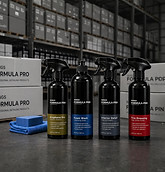
/ Explore Exterior Cleaning Products
These guides reference surface-safe interior products from the Wings Formula Pro system, developed by professional detailers for consistent, real-world performance.