.png)
How Long Does Ceramic Sealant Last?

Updated: Mar 24
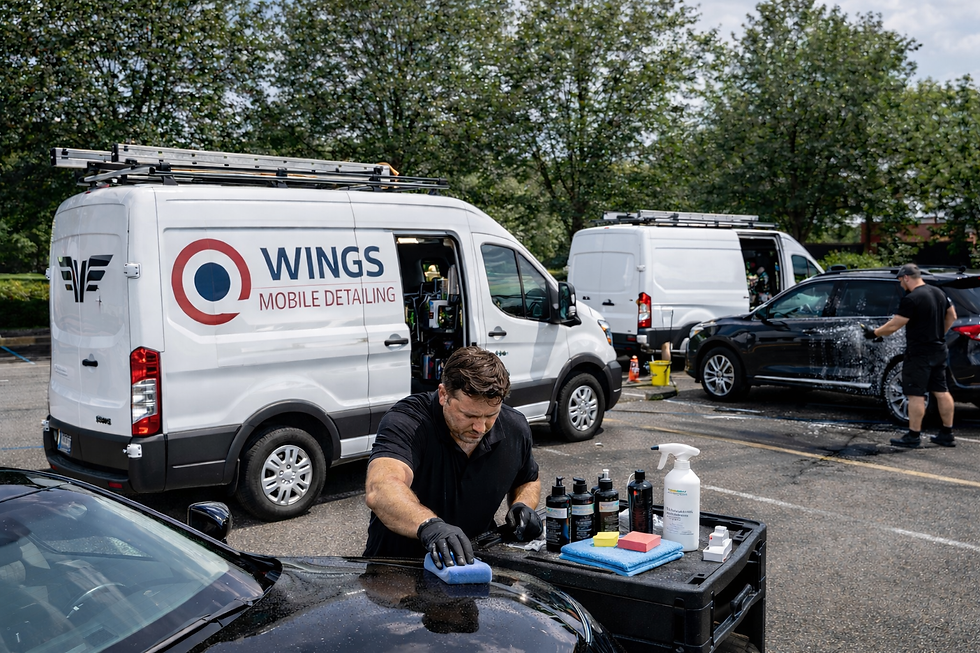
Ceramic sealants are widely used in modern automotive detailing because they provide strong hydrophobic behavior, enhanced gloss, and improved contamination resistance.
However, one of the most common questions among both professionals and vehicle owners is:
How long does ceramic sealant actually last?
The answer depends on several real-world factors.
While product marketing often focuses on ideal conditions, actual durability varies depending on surface preparation, environmental exposure, and maintenance habits.
This guide explains how ceramic sealants perform in real-world conditions and what factors determine their lifespan.
If you are building a complete protection workflow, start with our Ceramic & Protection Guides, which explain professional paint protection systems used by modern detailers.
Quick Answer: How Long Does Ceramic Sealant Last?
Most professional SiO₂ ceramic sealants last between 3 and 6 months under normal driving conditions.
Durability depends heavily on:
• Surface preparation quality
• Environmental exposure
• Washing habits
• Detergent strength
• Driving frequency
High-quality sealants such as Wings Formula Pro Ceramic Light are designed to provide durable protection while remaining easy to apply and maintain.
However, even the best sealants will degrade over time due to environmental stress.
Lab Durability vs Real-World Durability
Many ceramic sealant products advertise durability claims based on controlled laboratory testing.
These tests typically evaluate:
• Water contact angle retention
• Chemical resistance
• UV stability
• Surface durability
While useful for comparison, these tests occur in controlled environments that do not fully represent real driving conditions.
In the real world, vehicles experience:
• Rain and road grime
• UV radiation
• Temperature swings
• Traffic contamination
• Improper washing techniques
These factors gradually degrade the protection layer.
As a result, real-world durability is usually shorter than lab testing claims.
How UV Exposure Breaks Down SiO₂ Protection
Ultraviolet radiation from sunlight is one of the primary factors that reduces sealant lifespan.
Over time, UV exposure causes:
• Oxidation of protection layers
• Degradation of hydrophobic properties
• Reduced gloss and slickness
Vehicles that are parked outdoors daily will typically experience faster protection degradation compared to vehicles stored in garages.
Regions with intense sunlight can significantly reduce sealant durability.
The Impact of Detergents and Wash Chemicals
Another major factor affecting sealant longevity is washing chemistry.
Aggressive detergents and high-alkaline cleaners can gradually weaken protection layers.
Common issues include:
• Strong degreasers
• Improper wheel cleaners contacting paint
• High-alkaline pre-wash chemicals
These chemicals can strip or weaken the protective layer.
Professional detailers typically recommend pH-balanced shampoos to preserve protection as long as possible.
If you are unfamiliar with proper washing methods, review our guide on How to Wash a Car Professionally.
Why Maintenance Washing Extends Protection Life
Maintenance washing plays a critical role in preserving ceramic sealants.
When vehicles accumulate heavy contamination, the sealant surface can become clogged with road grime, minerals, and environmental fallout.
This contamination can temporarily reduce hydrophobic behavior.
Proper maintenance washing helps:
• Remove contamination buildup
• Restore water repellency
• Prevent protection degradation
Periodic paint decontamination may also be recommended for heavily exposed vehicles.
See our guide on Professional Paint Decontamination Process for more information.

Realistic Durability for Professional Sealants
While marketing claims vary, most professional ceramic sealants fall into predictable durability ranges.
Typical performance:
Product Type | Typical Durability |
Car wax | 4–8 weeks |
Polymer sealant | 2–4 months |
SiO₂ ceramic sealant | 3–6 months |
Professional ceramic coating | 2–5+ years |
Ceramic sealants occupy the middle ground between traditional waxes and long-term ceramic coatings.
They provide strong protection with simpler application and lower cost compared to full ceramic coatings.
This makes them ideal for maintenance protection systems and professional detailing services.
Signs That Ceramic Sealant Has Worn Off
Over time, protection layers gradually degrade.
Several indicators can help determine when protection has failed.
Common signs include:
• Reduced water beading or sheeting
• Loss of surface slickness
• Increased contamination sticking to paint
• Reduced gloss and clarity
When these signs appear, the protection layer may need reapplication.
How to Extend Ceramic Sealant Lifespan
Several best practices can help maximize sealant durability.
Professional detailers recommend:
• Proper paint preparation before application
• Using pH-neutral maintenance shampoos
• Avoiding aggressive degreasers on paint
• Regular maintenance washing
• Reapplying sealant periodically
Proper preparation is especially important.
If the surface is contaminated or improperly prepared, protection may fail much sooner than expected.
See our guide on Paint Prep Before Protection to understand why preparation is critical.
Frequently Asked Questions
How long does ceramic sealant last on a daily driven car?
Most ceramic sealants last between 3 and 6 months depending on maintenance and environmental exposure.
Does washing remove ceramic sealant?
Normal washing does not remove ceramic sealants. However, strong degreasers or aggressive chemicals can reduce durability.
Can ceramic sealant be reapplied?
Yes. Ceramic sealants are designed to be reapplied periodically to maintain protection.
Is ceramic sealant the same as ceramic coating?
No. Ceramic sealants provide shorter-term protection and easier application compared to professional ceramic coatings.
Final Thoughts: Ceramic Sealant Durability Depends on Real Conditions
Ceramic sealants offer excellent protection when properly applied and maintained.
However, their lifespan depends on real-world factors such as:
• Environmental exposure
• Washing habits
• Chemical exposure
• Surface preparation quality
By understanding these factors, detailers and vehicle owners can maintain protection systems more effectively.
Products like Wings Formula Pro Ceramic Light provide strong hydrophobic protection while remaining easy to maintain and reapply.
Continue Learning
If you’re building a complete ceramic protection workflow, explore these guides:
These articles are part of the Ceramic & Protection Guides by Wings Formula Pro, a complete resource for modern automotive detailing workflows.

WINGS FORMULA PRO
Wings Formula Pro is the professional detailing system developed inside Wings Mobile Detailing operations. Built by real-world detailers, our surface-safe chemistry is engineered for modern automotive materials and repeatable results. Learn how structured workflows, controlled pH formulas, and technician-level standards protect vehicles the right way.


Comments